
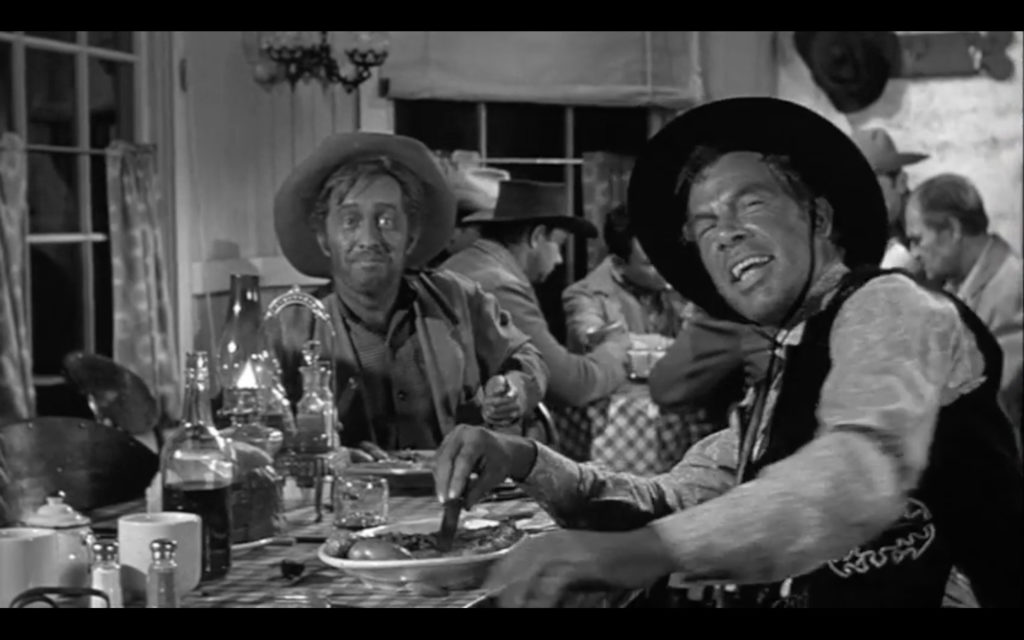
“Hell yeah we’ll take five more steaks if you cut the price”
Imagine going into a restaurant. You’re hungry and you’re raring for a steak. So you look over the menu, find your steak, wince a bit at the price, but decide to get it.
“I’ll have the 12-ounce steak,” you say to the waiter. He writes this down patiently in his notebook and then says,
“Would you like 18 more ounces of our fine steak at 50% off? You can always take it home with you if you don’t finish.”
Because you’re hungry and it’s a tempting deal, you order the extra slab of meat at a discount. But of course, when it arrives, you can’t finish it. You take it home, where it becomes more of a responsibility than a joy, sitting there cold and hard in your fridge. A few days later you toss it out.
Next time, you stay away from that restaurant. Somehow, you have a bad feeling. You spent too much money. You were emasculated by not finishing the steak. And you don’t need the temptation a second time.
I’ve recently heard a couple of contrasting positions on upsells. Just yesterday, I listened to an interview with successful copywriter and marketer Justin Goff. He talked about how the best upsells are often more of the same.
“Buying one bottle of supplements? How about 3 more at a discount?”
At the same time, Justin talked about the incessant need most direct response businesses have for new customers. According to Justin, new customers are the ones who buy the product, and even the ones who take up affiliate offers. That’s position one.
Then there’s Sean D’Souza. Along with a copy of his Dartboard Pricing book, I got a copy of a talk Sean did for the Ken McCarthy’s System Club. This talk is on the topic of consumption. And one of the things Sean says explicitly is that you don’t want to overwhelm your customers with product, even if they are willing to buy it.
Sean also talks about treating customers the way you would treat your kids — that is, looking out for them and charting a path for them down the line.
Perhaps not surprisingly, Sean’s business seems to rely on a much smaller number of customers, who happily keep coming back year after year and forking over thousands of dollars for Sean’s courses and trainings. It’s what Sean calls a focus on consumption over conversion. That’s position two.
So what’s the conclusion? I guess it depends on what kind of business you’re looking to run. If you want to scale quickly and max out revenue, then aggressive “steak” upsells make sense. If you want to have a long-term business, another strategy might be better.
For example, even in Sean’s way of running a business, the right kinds of upsells can have a place.
Imagine if in that restaurant, the waiter did something different. Imagine if instead of upselling you on more steak, he recommended a special beer on tap, and his favorite salad off the menu. This would still be an upsell, though it wouldn’t make as much money as selling more steak.
Your consumption experience would be much better. You’d be more likely to return. And the restaurant wouldn’t have to constantly worry about digging up new customers.